

BiomeFx Case Study: Microbiome Dysfunction, Histamine Reactivity, and Immune Regulation
Resolution of Severe Histamine Reactivity & Autoimmune Symptoms Through Microbiome Restoration (No Antimicrobial Eradication Protocols)
Over the years, people would come to me with severe symptoms, unpredictable, and resistant to dietary and lifestyle changes they’ve tried. When histamine reactions, autoimmune flares, and extreme sensitivity persist despite doing ‘all the right things’, it’s usually a sign that the microbiome is deeply dysregulated rather than simply reactive.
This case study is a good example of that pattern. It walks through how we used microbiome testing to better understand what was actually driving a client’s symptoms and why the usual approaches weren’t working. Instead of focusing on aggressive protocols, the goal was to support stability and regulation in the gut, and the changes we saw, both in symptoms and on follow-up testing, were long-lasting.
Client Overview
Female child with a history of histamine intolerance, autoimmune symptoms, and extreme photosensitivity, including severe reactions to sun exposure. Symptoms had progressed despite whole foods dietary approach and avoidance strategies.
Primary clinical features included:
Severe histamine reactions (systemic, not food-only)
Sun-triggered inflammatory responses
Autoimmune flares
Poor tolerance to interventions
High symptom volatility
The clinical goal was microbiome stabilization and immune signaling normalization, not eradication using antimicrobials or kill approaches.
Testing & Timeline
Initial BiomeFx: August 23, 2023
Follow-up BiomeFx: May 22, 2024
Protocol length: ~6 months
Targeted microbial intervention: ~3 weeks for primary symptom resolution
Eradication agents used: None
Baseline Microbiome Findings (8-23-23)
1. Global Microbiome Health
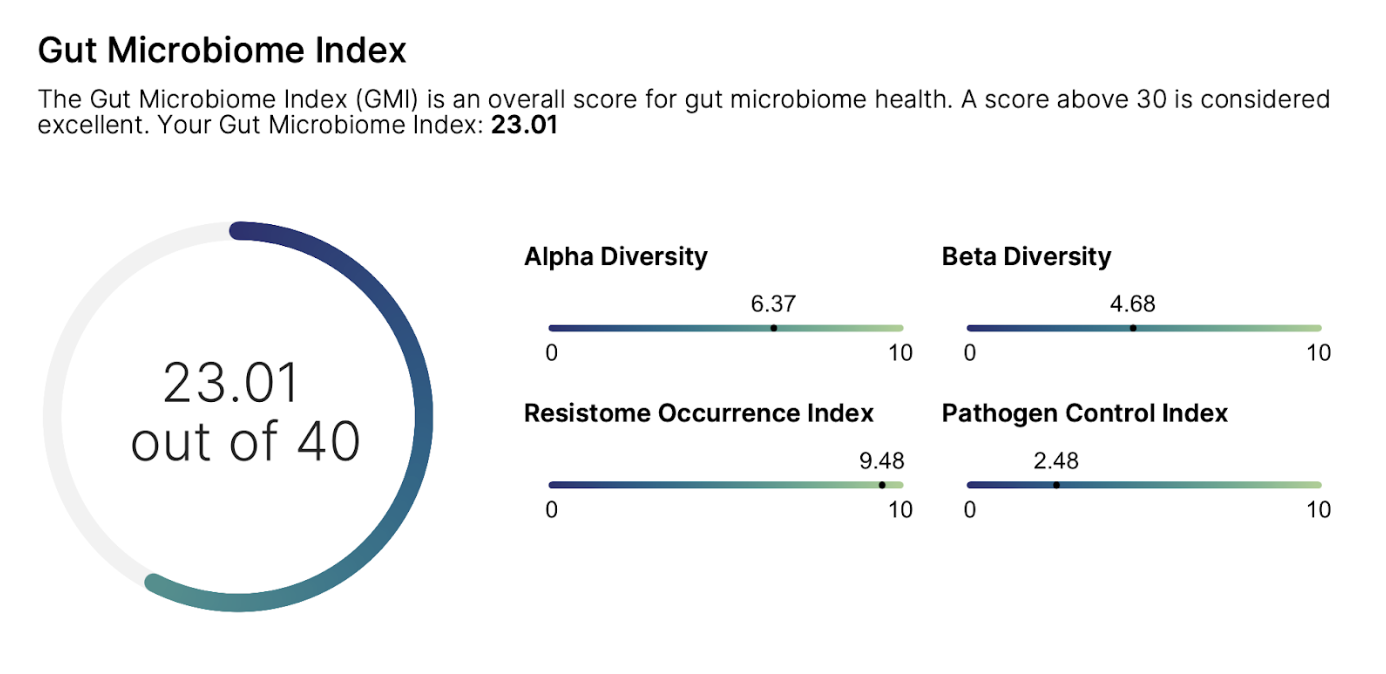
Gut Microbiome Index: 23.01 (below optimal)
Alpha Diversity:
85 species
Shannon Index: 6.37
Pathogen Control Index: 2.48 (severely impaired)
This profile reflected a fragile, low-resilience ecosystem, easily destabilized by immune triggers.
2. Extreme Pathogen Burden
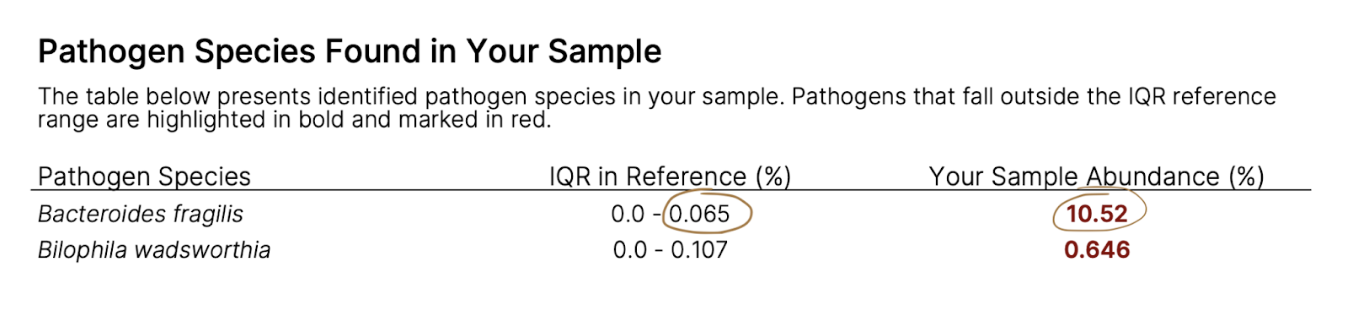
This client presented with one of the highest pathogen loads seen in routine BiomeFx testing, including:
Bacteroides fragilis: 10.52% (reference max 0.065%)
Bilophila wadsworthia: elevated
These levels are not common, even among dysbiotic cases, and strongly correlate with:
Histamine production
Intestinal Barrier breakdown= Leaky Gut
Proteolytic fermentation dominance
Immune activation
3. Histamine & Immune Signaling
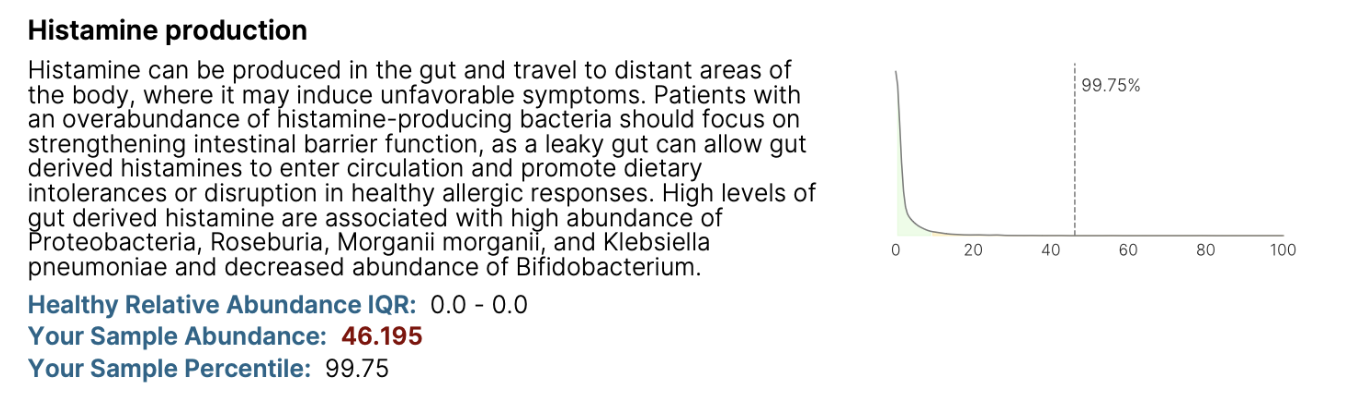
Histamine production: 46.195 (99.75th percentile)
Elevated indoles, p-cresol, and proteolytic byproducts
Low Bifidobacterium species
Absent Akkermansia muciniphila
Clinically, this mapped precisely to her symptom profile—systemic histamine reactions rather than isolated food intolerance.
4. Keystone Collapse
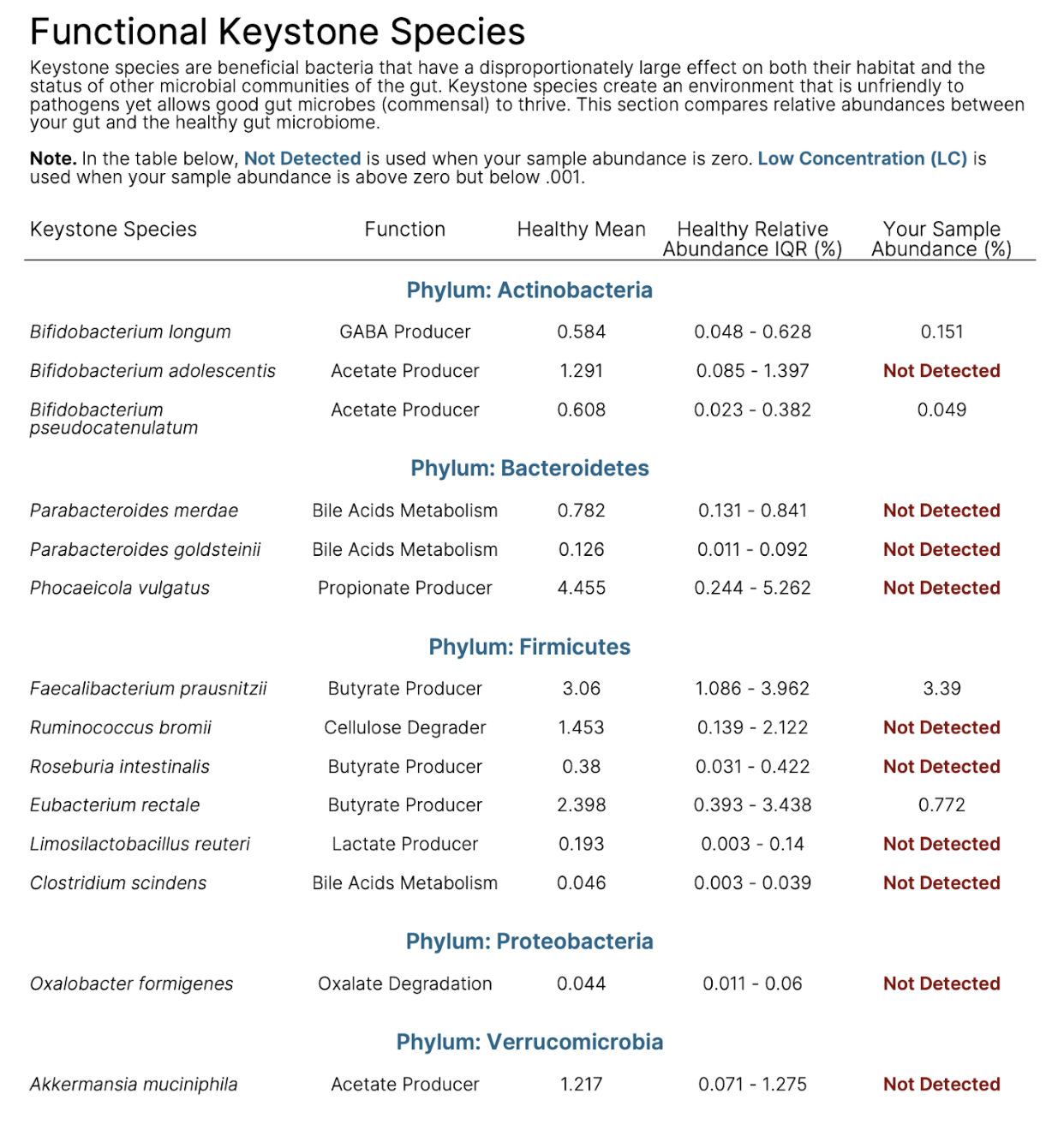
Only 4 functional keystone species detected
Akkermansia muciniphila: not detected
Multiple butyrate and acetate producers absent
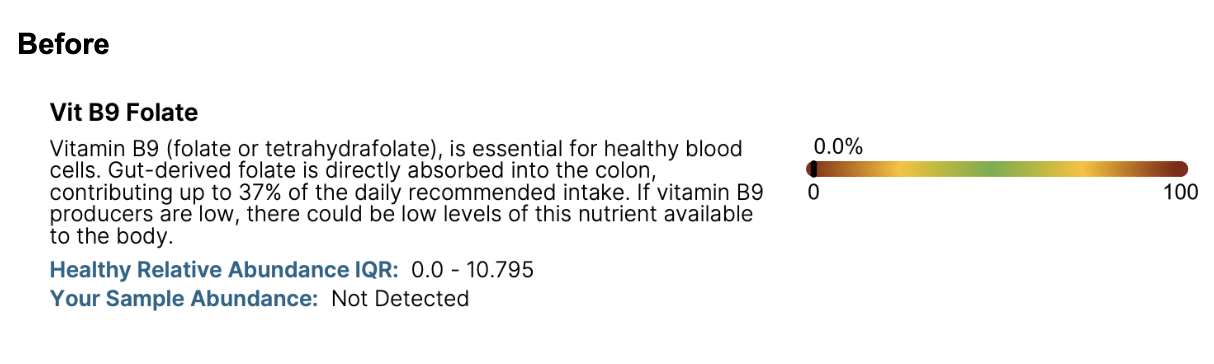
Zero detectable folate (B9) production
This reflected a loss of regulatory microbes, not just “bad overgrowth.”
Intervention Strategy
What Was Not Done
No antimicrobials
No herbal antimicrobials for eradication of pathogens
No biofilm disruptors
No aggressive restriction
What Was Done
HU58 (Bacillus subtilis)
MegaIgG 2000
Focus on:
Strengthening the immune soldiers to sure up the gut lining (mucosal barrier) integrity
Increasing microbial signaling using the probiotic strain HU58 which acts by way of decreasing pathogenic species and encouraging new growth of beneficial species
Both immunoglobulins and Bacillus subtilis HU58 are shown to reduce inflammatory metabolites in the gut
Ecosystem stabilization by way of supporting the keystone species to thrive
This phase lasted only a few weeks before major symptom resolution occurred.
Follow-Up Findings (5-22-24)
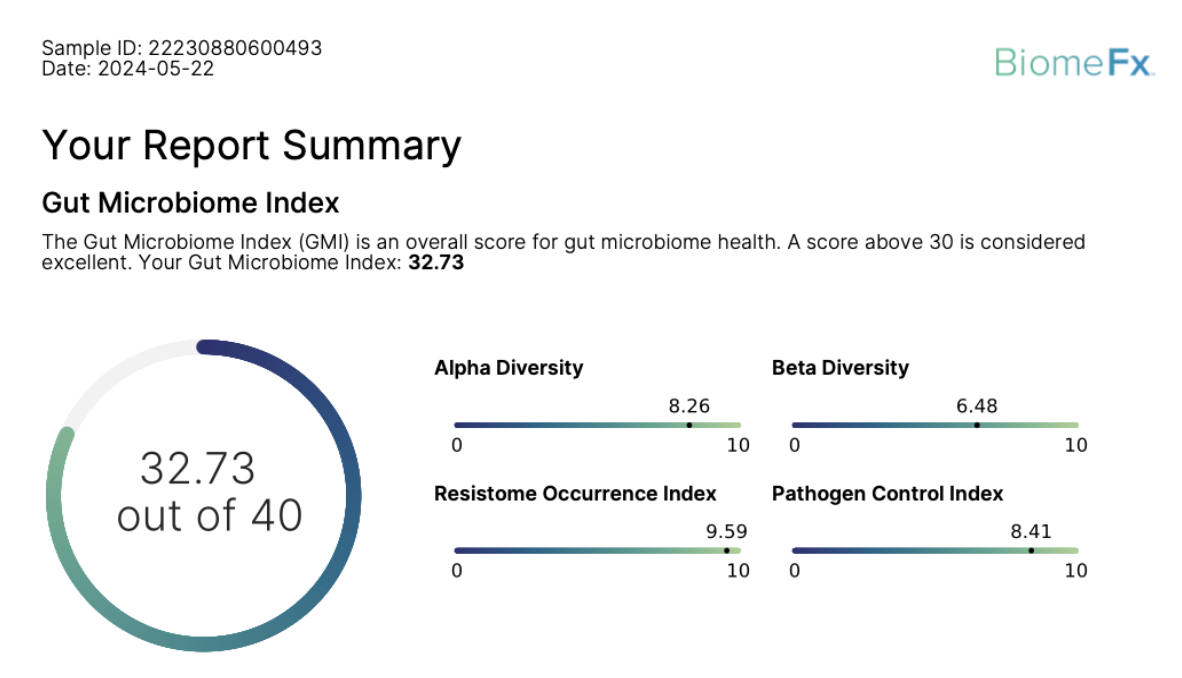
1. Massive Ecosystem Expansion
Alpha Diversity:
154 species (up from 85)
Alpha Diversity Score: 8.26 (up from 6.25)
Gut Microbiome Index: 32.73 (excellent range)
This represents a doubling of species richness, not through supplementation, but through environmental correction.
2. Keystone Restoration
7 functional keystone species detected (up from 4)
Akkermansia muciniphila: present (previously absent)
My hunch is that even if keystone species are not showing up in the stool, this doesn’t necessarily mean they are entirely absent from the ecosystem. They just aren’t making it out into the stool! My orientation is to try to encourage these to regrow and that’s exactly what can happen.
Improved balance of:
Acetate producers
Butyrate producers
Mucosal-supportive organisms
Below are the previous test scores with the second test scores following to compare.
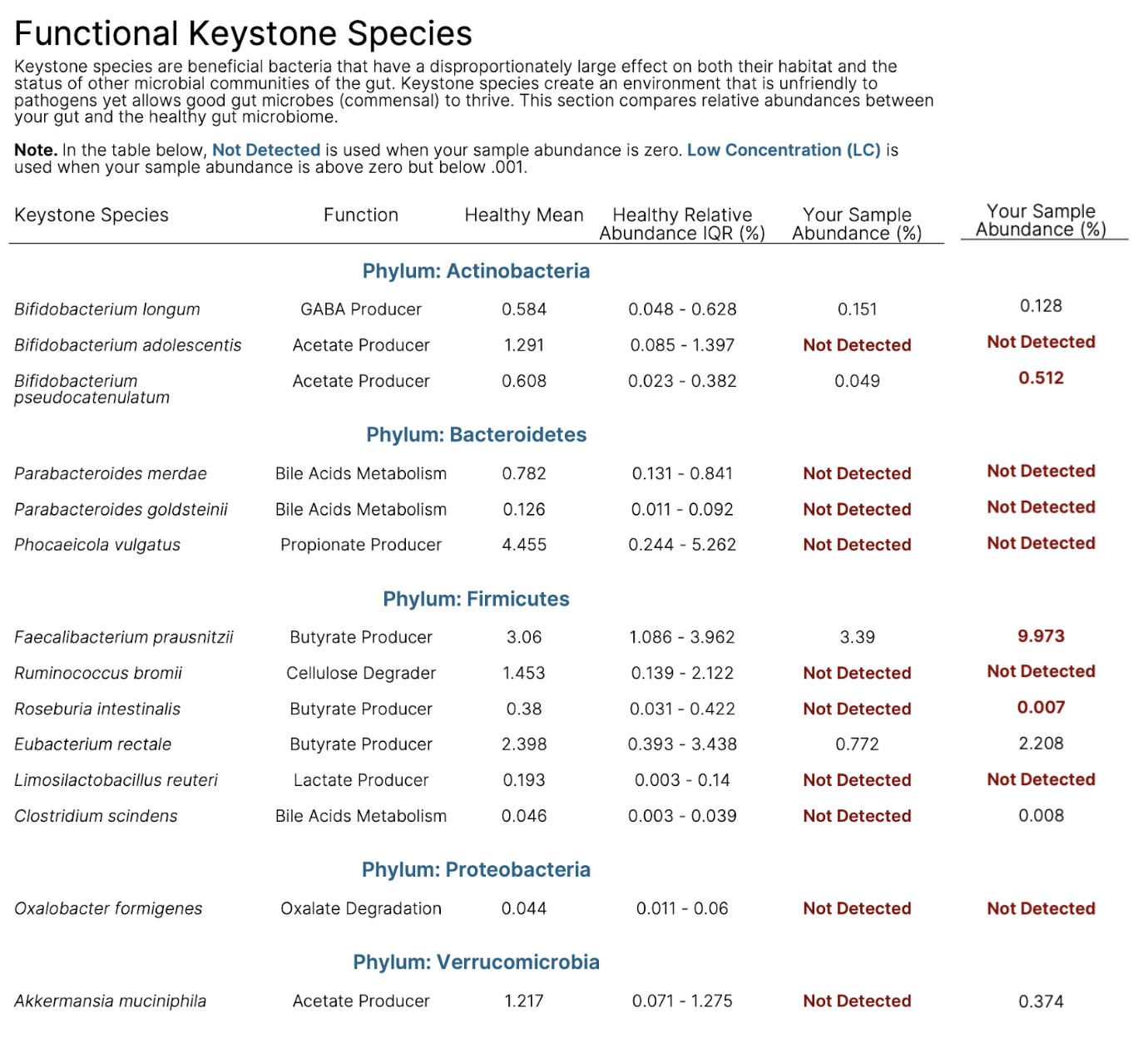
This shift reflects regained immune tolerance capacity, not just microbial presence.
3. Pathogen Normalization
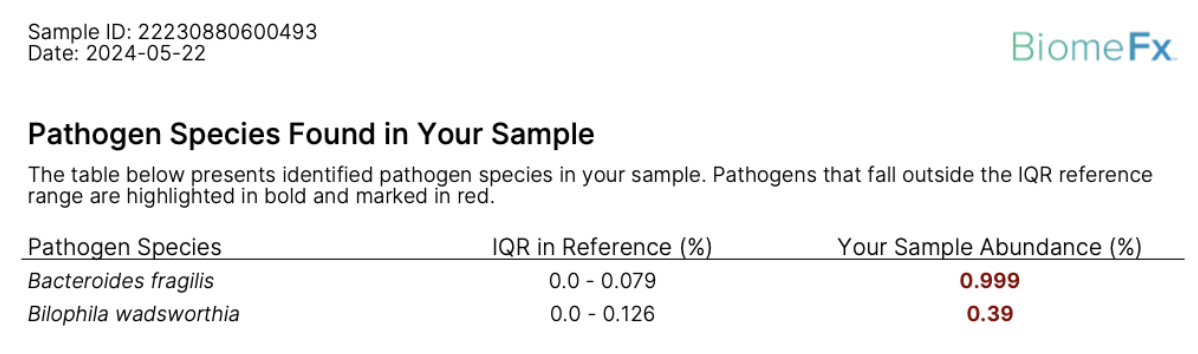
Bacteroides fragilis: reduced from 10.52% → 0.999%
Bilophila wadsworthia: reduced significantly
Pathogen Control Index normalized
Importantly, this occurred without eradication antimicrobials, supporting the model that immune regulation and microbial balance can outperform aggressive kill strategies.
4. Histamine: The Most Clinically Meaningful Shift
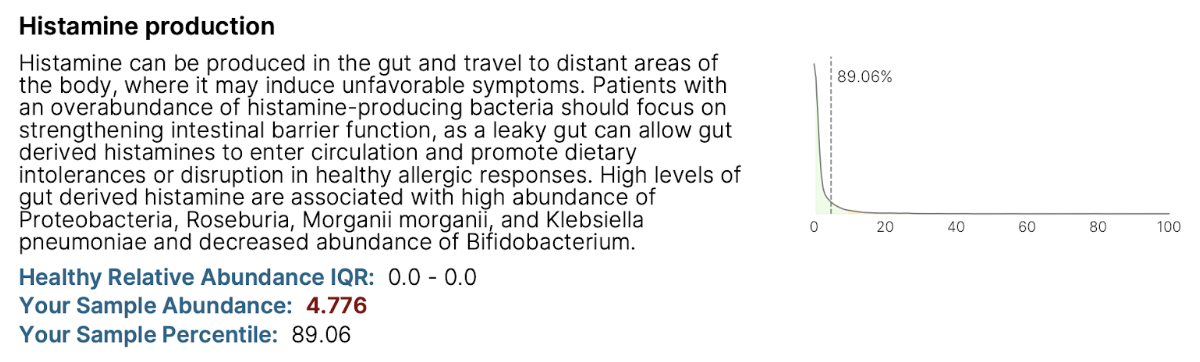
Histamine production:
46.195 → 4.001
Still technically elevated, but no longer clinically dominant.
Symptom correlation:
Near-complete resolution of histamine symptoms occurred within ~3 weeks of initiating HU58 + MegaIgG.
Sun reactivity and autoimmune flares markedly diminished.
This shift alone explains the client’s lived experience more clearly than any single organism change.
5. Functional Recovery: Folate & Metabolic Balance
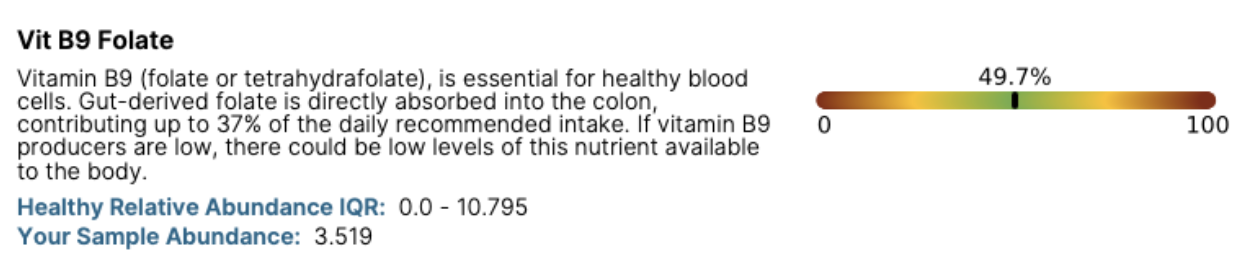
Folate (B9) production:
Not detected → measurable, healthy levels
Improved vitamin biosynthesis signaling
Reduced proteolytic fermentation dominance
This indicates restored metabolic cooperation, not just symptom suppression.
Before
After
Clinical Takeaways
Histamine intolerance is often an ecosystem failure, not a DAO issue.
Extremely high pathogen loads can normalize without eradication methods when immune signaling is corrected.
Keystone species recovery without the use of single strain probiotic re-seeding drives durable tolerance.
Bacillus-based strains paired with immunoglobulins can rapidly shift inflammatory signaling and pathogenic overgrowth.
BiomeFx uniquely captured functional changes (i.e. vitamin biosynthesis, histamine production) that aligned precisely with symptom resolution.
Why This Case Changed My Practice
This client’s response, both clinically and on repeat testing, was the moment that fully cemented BiomeFx as a core clinical tool in my work.
The ability to:
Measure histamine production directly
Track keystone restoration
Observe pathogen normalization without antimicrobials allowed me to trust the process, even when it contradicted conventional “kill first” models.